Important Message from The Joint Chiropractic regarding COVID-19 (Novel Coronavirus) - Read More

Foot Pain:
Causes, Symptoms,
And Lasting Relief

Your feet carry you through every part of your day. When pain shows up, even simple things like walking to the car or standing at work may start to feel more difficult. The good news is that relief is possible and understanding what’s behind your discomfort is the first step toward getting back on your feet.

Find Relief Near You

What Is Foot Pain?

Foot pain is not just about how you stand. When every step hurts, you may start to avoid standing and walking whenever you can. Over time, that hesitation can quietly shift you toward a more sedentary routine, simply because it hurts to do the everyday things you used to do without thinking.

Your feet are the foundation of nearly every movement you make, supporting your body with every step, jump, and turn. When foot pain appears, it may affect how you move and even how you stand, making simple routines like walking the dog or getting through a workday much more uncomfortable.

Foot pain happens when one or more of the parts that make up your foot such as the muscles, ligaments, tendons, joints, or bones become strained or irritated. It may start suddenly after an injury, or it may build up gradually from overuse, poor footwear, or repetitive motion. Sometimes, even small alignment issues in your ankles, knees, or hips may cause added stress on the feet over time.

Because your feet work closely with the rest of your body, discomfort in one area may ripple upward, affecting how your knees, hips, or lower back feel. That is why it helps to understand the source of your pain and address it early. Talking with a healthcare provider or chiropractor for foot pain may help you pinpoint the cause and find a plan that keeps you comfortably on your feet.

What Are The Different Types Of Foot Pain?

Pain at the top of the foot

This type of pain often shows up after long periods of standing, walking, or wearing tight shoes. It may feel achy, tender, or sharp across the top of your foot, especially when you flex your toes or put pressure on the area.

Ball of foot pain (metatarsalgia)

Pain in the ball of your foot may feel like you’re stepping on a small pebble. It often comes from high-impact activity, tight calves, or footwear that puts too much pressure on the front of your foot.

Heel pain and plantar fasciitis

This is one of the most common types of foot pain. It usually feels sharp under your heel when you first get out of bed or after sitting. As the tissue along the bottom of your foot becomes irritated, even short periods of walking or standing may feel uncomfortable, and everyday tasks that keep you on your feet can start to feel harder than they used to.

Arch pain

Whether your arches are flat or high, strain on the middle of your foot may cause tenderness, burning, or fatigue. You may notice the pain when standing, running, or after long days on your feet.

Nerve-related foot pain

When nerves in your foot get irritated or compressed, the pain may feel like tingling, burning, numbness, or a “zing” that comes and goes. This may happen in conditions like neuropathy or Morton’s neuroma.

Joint pain in the toes or midfoot

Arthritis, stiffness, or irritation in the joints of your toes or midfoot may make simple steps feel uncomfortable. You might notice swelling, reduced range of motion, or a deep ache that worsens with movement.

What Are Common Foot Pain Causes?

Overuse and repetitive strain

Foot pain often develops from daily wear, like long walks, standing for hours, or high-impact exercise. That steady pressure may irritate the muscles, tendons, and joints in your feet, leading to soreness that sticks around even after you rest.

Plantar fasciitis

Plantar fasciitis happens when the thick band of tissue along the bottom of your foot becomes irritated. It often causes sharp heel or arch pain that feels worst during your first few steps in the morning.

Injuries

Twists, slips, or stumbles may strain the ligaments or soft tissues in your feet. Even minor injuries may lead to swelling, tenderness, or trouble putting weight on the foot, especially in the days that follow.

Arthritis that affects the foot

Arthritis may affect any of the many small joints in the foot. Stiffness, swelling, and discomfort may show up during movement, after sitting for a while, or at the start of your day.

Poor or unsupportive footwear

Shoes that are tight, loose, or lacking proper support may shift pressure to the wrong places. Over time, that imbalance may cause aching in the heel, arch, toes, or the ball of the foot.

Tendonitis

When the tendons that support and move your foot become irritated, it may lead to tendonitis. This discomfort often shows up along the top of the foot or around the ankle and may flare during activity.

Nerve issues and neuropathy

Conditions like neuropathy may cause tingling, burning, numbness, or sharp pain in the feet. These sensations may feel more noticeable at night or after long periods of standing.

Bunions

A bunion forms when the big toe shifts inward, creating pressure and soreness along the side of the foot. Tight shoes or repetitive stress may make the area more painful or tender.

Foot Pain Is More Common Than You Think

Person

20% of middle-aged and older adults report foot pain1

Person

63% of a general population report some form of foot disorder2

Person

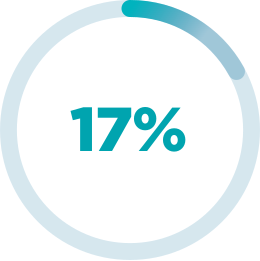
17% of a hospital nurses group had foot pain that prevented work3

Person

80% of patients with plantar fasciitis report meaningful pain relief within 12 months when they follow a non-surgical care plan4

Who Is Most At Risk For Arthritis?

Who Is Most At Risk For Foot Pain?

Running, jumping, quick pivots, and long training sessions may place a lot of pressure on your feet. Repeating those movements day after day may irritate the soft tissues that help you stay balanced and supported. Proper warmups, stretching, and recovery may help keep things comfortable.

If your job keeps you on your feet, the constant weight and pressure may lead to soreness or swelling by the end of the day. Over time, your feet may feel tired or achy simply from carrying the load. Supportive footwear and short movement breaks may help reduce the strain.

Shoes that pinch, lack cushioning, or don’t support your arch may throw off how your feet absorb impact. That can create hot spots, irritation, or pressure in different areas of the foot. Choosing footwear that matches your activity level and foot shape may make a big difference.

Extra body weight increases the force placed on your feet with each step. Over months or years, that added stress may lead to soreness or conditions related to wear and tear. Gentle activity and strength work may help reduce pressure and support healthier movement.

Feet that collapse inward or sit higher off the ground may change how your foot absorbs impact. That shift may place extra demand on your ankles, heels, or the ball of your foot. Targeted strengthening or supportive inserts may help balance the load.

Conditions like diabetes or arthritis may affect circulation, joint function, or nerve sensitivity, all of which play a role in how your feet feel. Paying attention to new discomfort and staying consistent with foot care may help catch issues early.

Common Symptoms And Daily Struggles

When foot pain creeps in, simple moments may start to feel like extra effort, from walking to the car to standing at work to enjoying your favorite activities.. That nagging ache or sharp twinge can make every step feel more noticeable than it should. The reassuring news is that many types of foot pain improve with early care, gentle movement, and the right support.

What are common foot pain symptoms?

  • A dull or sharp ache in the heel, arch, toes, or ball of the foot
  • Stiffness or soreness when standing up, walking, or climbing stairs
  • Swelling, warmth, or tenderness after long periods of activity
  • Numbness, tingling, or burning sensations that travel into the toes

Foot pain may be frustrating, but it doesn’t have to be permanent. Many causes respond well to simple changes, strength-building, and professional care. With the right plan, you may get back to moving comfortably through your day and doing more of what you love.

Common Symptoms And Daily Struggles
NATURAL RELIEF FROM FOOT PAIN

How Can Chiropractic Care Help With Foot Pain?

Many people start by trying simple at-home steps like rest, ice, stretching, or switching to more supportive shoes or store-bought orthotics. These approaches may help calm irritation in the short term, but they often do not address the underlying reasons the pain keeps coming back, such as alignment issues, joint stiffness, or muscle imbalances in the feet and legs.

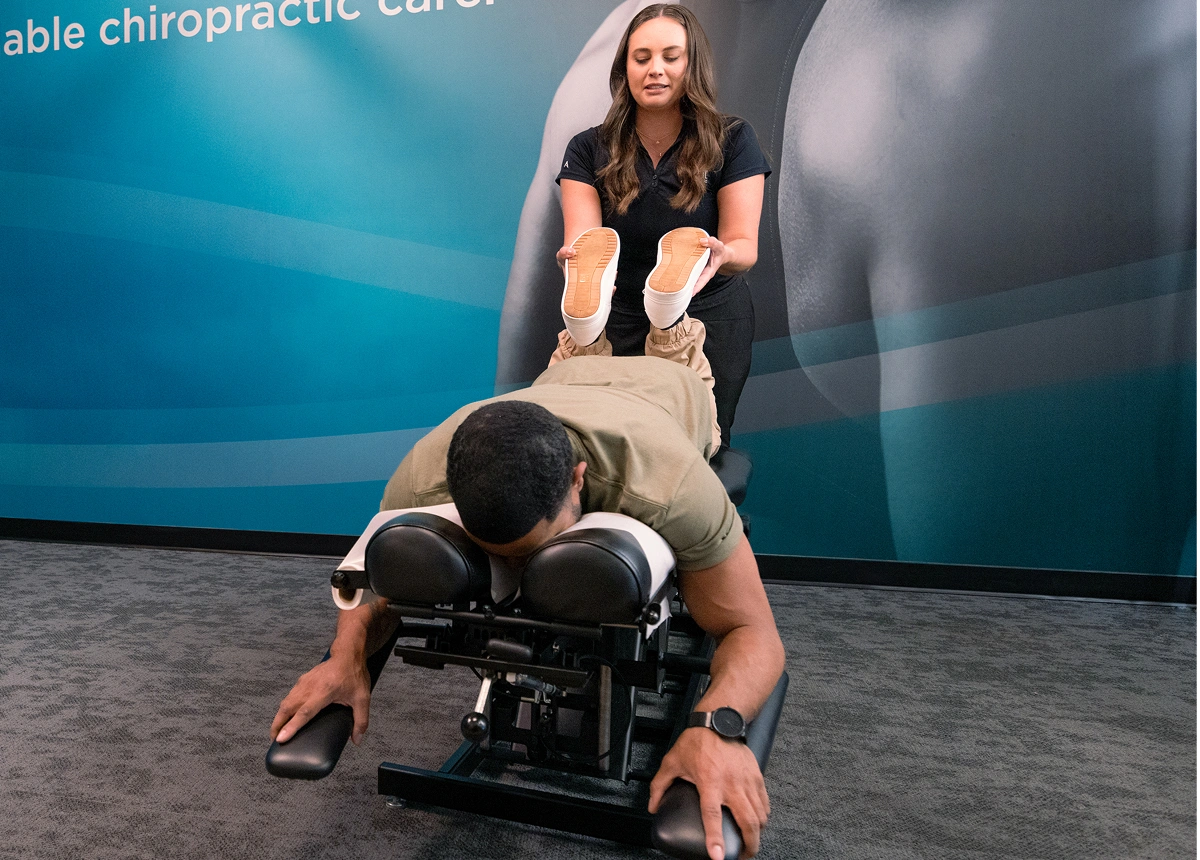
Chiropractic care may help by improving how your feet, ankles, and lower body move and function. Licensed chiropractors deliver a gentle, non-invasive therapy called a chiropractic adjustment, which may help reduce joint restrictions or misalignments in the feet, ankles, or spine. This may ease pressure, improve mobility, and support better overall alignment. With consistent care, many people find their feet feel more supported, more balanced, and more comfortable during daily activities.

Step 1: Understanding The Source Of Foot Pain

To help you find relief, chiropractors identify and address:

  • Joint stiffness or limited mobility that makes each step feel tight or restricted
  • Muscle tension in your arches, calves, or ankles that pulls unevenly on the foot
  • Inflammation or irritation in the soft tissues that makes standing or walking uncomfortable
  • Alignment issues in your feet, knees, or hips that add extra pressure to certain parts of the foot

Step 2: How Chiropractic May Help

  • Gentle adjustments may help your foot and ankle joints move more naturally so each step feels smoother
  • Soft-tissue techniques may help loosen tight muscles and tendons that are placing stress on your arches or heels
  • Guided stretching and movement tips may help build strength and balance without overloading sore areas
  • Improved alignment through regular care may help distribute pressure more evenly across your feet

Step 3: Potential Benefits Of Care

There are many potential benefits of chiropractic care for foot pain, including:

  • Reduced soreness, stiffness, and tension during daily movement
  • Improved flexibility and range of motion in your feet and ankles
  • Less swelling or inflammation caused by overuse or irritation
  • Better alignment that supports healthier walking and standing patterns
  • Stronger supporting muscles that help stabilize your feet and reduce future discomfort

Find A Chiropractor Near You

Walk in for quality, affordable care that fits your schedule. Enjoy hassle-free visits and same-day relief.

Nearby Clinics

Chiropractors Treating Foot Pain

Frequently Asked Questions About Foot Pain

The best way to ease foot pain depends on what is causing it. Some strategies work better for certain types of pain, so it helps to match your care to the source of the problem. Simple steps like resting, elevating your feet, wearing supportive shoes, and avoiding activities that irritate the area may help in the short term. Gentle stretching, rolling your foot over a tennis ball, or using ice for irritation and heat for stiffness may also provide relief. If the pain keeps coming back, worsens, or affects how you walk, a chiropractor or other healthcare provider may help identify the cause and suggest a longer term plan that fits your specific type of foot pain.

Early signs of foot joint misalignment may include uneven wear on your shoes, frequent soreness after walking or standing, or feeling like your foot lands “off” when you take a step. You might also notice pain in specific areas like the heel, arch, or ball of the foot, or feel like your ankles are working harder to keep you balanced. Over time, misalignment in the feet may also affect your knees, hips, or lower back, which is why getting it checked early may be helpful.

Foot pain may radiate upward into the ankle, calf, or even the knee. When your foot is irritated or not moving well, the muscles and joints above it often change how they move to keep you going. That compensation may lead to soreness, tightness, or fatigue in the lower leg. Addressing the underlying foot issue, along with alignment and muscle balance, may help relieve both the local pain and the discomfort that travels upward.

During pregnancy, your body goes through many changes that may affect your feet. Extra weight, shifting posture, and hormone-related changes in ligaments may all place more pressure on your arches and joints. Swelling, flattening of the arches, and increased time on your feet may also contribute to soreness. Supportive footwear, elevating your feet, and gentle movement may help, and a chiropractor or healthcare provider may offer additional guidance that supports comfort throughout pregnancy.

Pain on the bottom of your foot often comes from irritated tissues in the heel or arch, especially after long periods of standing or walking. Resting, stretching your calves and arches, rolling your foot over a ball, and wearing supportive shoes with good cushioning may help ease pressure. For ongoing or sharp pain, especially in the heel, consulting with a chiropractor or healthcare provider may help determine whether conditions like plantar fasciitis or alignment issues are involved.

Pain on the top of the foot may come from tight shoes, overuse, irritated tendons, or small joint issues. Start by checking your footwear to make sure it is not too tight across the top and offers enough room for your toes. Rest, ice, and avoiding high-impact activities may calm irritation. If the pain is persistent, especially with swelling or tenderness, a chiropractor or healthcare provider may evaluate the joints and soft tissues in your foot to see what is contributing.

Foot arch pain often responds to a mix of support and gentle movement. Wearing shoes with proper arch support, using insoles if needed, and avoiding walking barefoot on hard surfaces may reduce strain. Stretching the calves and the bottom of the foot, along with rolling the arch over a small ball, may help release tension. If arch pain keeps returning, an alignment-focused exam with a chiropractor or other provider may help you understand whether posture, gait, or muscle imbalances are at play.

While long-term relief usually takes more than a few seconds, quick steps may help take the edge off. Gently massaging the sore area, rolling your foot over a tennis ball, or flexing and pointing your toes a few times may improve circulation and loosen tight muscles. These quick tools are a helpful start, but lasting relief often comes from addressing footwear, activity levels, and alignment over time.

If you stand most of the day, your feet may feel tired, sore, or heavy by the evening. Supportive shoes with cushioning and arch support, along with compression socks and anti-fatigue mats if available, may help reduce strain. Taking short movement breaks, shifting your weight, and stretching your calves and feet during the day may also help. If discomfort continues, a chiropractor or healthcare provider may assess how your posture, gait, and joint alignment are affecting your feet and legs.

Sciatica may cause pain that travels all the way down into the foot. When the sciatic nerve is irritated in the lower back or pelvis, the discomfort may follow the nerve pathway through the leg and into the foot, sometimes causing tingling, burning, or numbness. Addressing the source of nerve irritation, often through alignment-focused care and supportive exercises, may help ease foot symptoms related to sciatica.

Compression socks may help with certain types of foot and lower leg discomfort, especially when swelling or circulation issues are involved. They apply gentle pressure that may support blood flow and reduce tired, heavy feelings after long days on your feet. They are not a cure-all, though, and they work best alongside good footwear, movement, and an evaluation from a healthcare provider or chiropractor if pain persists.

Signs of a fallen arch or flat feet may include feet that look flatter on the ground, little or no visible arch when you stand, and shoes that wear out unevenly on the inside edges. You might notice frequent arch or heel pain, tired feet after standing, or ankle and knee discomfort. A chiropractor or healthcare provider may check your arches while standing, walking, and moving to see how they are supporting the rest of your body.

A chiropractor typically checks foot range of motion by gently moving your foot and ankle in different directions and seeing how far and how smoothly they move. They may ask you to point and flex your toes, roll your ankle, or stand and walk so they can watch how your foot functions under weight. This helps them understand where joints feel stiff, where muscles are tight, and how alignment in your feet may be affecting your knees, hips, and spine.

RELATED READS ABOUT ARTHRITIS
Testimonial

Care That Keeps Her Going

Kristin is a 41-year-old ER nurse who spends 12–13 hours a day on her feet, caring for patients on some of their hardest days. She thinks of chiropractic care at The Joint like maintenance for her body, the same way you would take a car in for an oil change. Regular adjustments help her stay loose, mobile, and relieved of pain so she can keep showing up fully for the people who depend on her.

1 Thomas, M. J., Roddy, E., Zhang, W., Menz, H. B., Hannan, M. T., & Peat, G. M. (2011b). The population prevalence of foot and ankle pain in middle and old age: A systematic review. Pain, 152(12), 2870–2880. https://doi.org/10.1016/j.pain.2004.04.019

2 Garrow, A. P., Silman, A. J., & Macfarlane, G. J. (2004). The Cheshire Foot Pain and Disability Survey: a population survey assessing prevalence and associations. Pain, 110(1), 378–384. https://doi.org/10.1016/j.pain.2004.04.019

3 Tojo, M., Yamaguchi, S., Amano, N., Ito, A., Futono, M., Sato, Y., Naka, T., Kimura, S., Sadamasu, A., Akagi, R., & Ohtori, S. (2017). Prevalence and associated factors of foot and ankle pain among nurses at a university hospital in Japan: A cross-sectional study. Journal of Occupational Health, 60(2), 132–139. https://doi.org/10.1539/joh.17-0174-oa

4 Buchbinder, R. (2004). Plantar fasciitis. New England Journal of Medicine, 350(21), 2159–2166. https://doi.org/10.1056/nejmcp032745

Download your offer today and save!

Offer valued at $45. Valid for new patients only. See clinic for chiropractor(s)' name and license info. Clinics managed and/or owned by franchisee or Prof. Corps. Restrictions may apply to Medicare eligible patients. Individual results may vary.