Important Message from The Joint Chiropractic regarding COVID-19 (Novel Coronavirus) - Read More

Posture Issues:
A Guide To
Good Posture

Good posture helps your body feel balanced and supported, so you can move with less strain. Whether you sit at a desk, lift on the job, or spend hours looking at a screen, maintaining proper posture may help prevent pain, boost energy, and improve your overall well-being.

Find Relief Near You

What Is Good Posture?

Good posture is the natural alignment of your body when your muscles, joints, and spine work together efficiently. In proper posture, your ears, shoulders, hips, knees, and ankles stack in a straight line, allowing your body to stay balanced with minimal effort. This alignment helps your muscles and ligaments support your weight evenly, reducing unnecessary strain and fatigue.

When your posture is good, movement feels easier. Your spine maintains its natural curves, your core stays engaged, and your joints move freely without stiffness or pressure. Over time, these small alignments make a big difference: improving circulation, supporting lung capacity, and helping you avoid the aches that come from slouching or sitting too long.

Developing and maintaining good posture helps you feel better, move better, and protect your body from long-term wear and tear. With awareness, consistency, and simple corrections, good posture can become a natural part of your everyday routine.

Common problems caused by bad posture

Neck, shoulder, and back pain

Poor posture shifts load onto tissues that were not meant to carry it for long periods. Forward head posture and rounded shoulders can overwork stabilizing muscles, irritate spinal and shoulder joints, and contribute to ongoing tightness or pain.

Headaches and migraines

Forward head posture may create a tight, achy band of tension from your neck into the back of your head. Over time, this tension may trigger headaches, and for some people it may also worsen migraine frequency or intensity.

Nerve and circulation issues

When you slump or slouch for long periods of time, this posture can compress the pathways that the nerves and blood vessels use to travel from your neck into your arms which may lead to numbness, tingling, heaviness, or reduced circulation in your arms and hands.

Stiffness and reduced mobility

When you spend most of your day in the same posture, your body adapts to it. Over time, this may reduce upper back and hip mobility and make reaching, turning, lifting, and standing feel stiffer or less comfortable.

What Are Common Causes Of Bad Posture?

Sedentary lifestyle

Sitting for long periods weakens postural muscles, especially in the back and core, making it harder to maintain upright alignment. Over time, this can lead to slouching, stiffness, and poor spinal support.

Screen time

Hours spent looking down at phones or leaning toward computer screens often cause tech neck, rounding the shoulders and straining the upper back

Stress

When you’re tense, muscles tighten, especially around the neck and shoulders. This may cause your posture to shift forward and make you more likely to slouch.

Weak core muscles

Your core acts as the body’s stabilizer. When it’s weak, your spine and surrounding muscles take on extra work, often resulting in misalignment and fatigue.

Improper ergonomics

Working at a desk that’s too high or too low, or sitting in a chair without proper support, encourages poor posture and uneven strain on your spine and joints.

Muscle imbalances

Repetitive habits (like always carrying a bag on one shoulder or crossing the same leg) may cause uneven strength and tightness, pulling your body out of natural alignment.

Bad Posture Is More Common Than You Think

66%

of adults sit or stand with forward head posture, a common form of poor posture linked with neck strain and discomfort1

39%

of U.S. adults reported back pain in the past 3 months, among the most common musculoskeletal symptoms tied to posture and sitting habits2

Up to 60 lbs

is how much weight the neck must support when the head is tilted forward at a 60-degree angle, increasing strain3

10.4% to 21.3%

of people experience neck pain each year, a condition frequently linked to chronic postural strain4

People at risk for upper back pain

Who Is Most At Risk For Bad Posture?

When much of your day is spent seated, posture becomes a long-duration task for your spine, shoulders, and hips. Even with good intentions, hours of computer work can encourage your upper back to round and shoulders to settle forward, especially if the chair, desk height, or monitor position doesn’t fully support neutral alignment. Over time, the muscles that help stabilize the shoulder blades and support the neck may fatigue, which can make tension and soreness more likely by the end of the day.

Screen time often keeps your focus slightly below eye level, especially on phones and tablets, and over time that repeated position can train the neck and upper back to hold a more forward head posture than you intend. This is often called tech neck, or text neck. As your head drifts forward, your neck and upper back may work harder to support it, which can contribute to stiffness, tightness, or a feeling of heaviness through the shoulders. It can also influence breathing mechanics and upper back mobility, which may further reinforce a “closed” posture if it becomes your default position.

Posture is less about willpower and more about support, coordination, and endurance. When the deep core, glutes, and mid-back muscles are not conditioned to sustain alignment through daily tasks, your body may compensate by leaning, slouching, or bracing through the neck and lower back. That compensation may feel subtle at first, but it can contribute to fatigue and discomfort over time, particularly during long periods of sitting, standing, or repetitive movement.

Posture habits often form during the years when routines are built around desks, screens, studying, and carrying backpacks. Non-supportive seating, long reading sessions, and the natural tendency to lean toward a laptop can encourage rounded shoulders and forward head posture. Because these patterns can feel normal and develop gradually, they may continue into adulthood unless the environment, movement habits, and strength supports begin to change.

Not everyone has a workstation designed for comfort and alignment, and many jobs involve constraints that are hard to avoid. Low monitors, unsupported seating, frequent driving, repeated lifting, or workstations that require reaching can pull the body out of neutral positions for long stretches. In these cases, posture challenges are often less about “doing it wrong” and more about the demands of the environment. Small, practical adjustments, such as improving screen height, adding lumbar support, or building brief movement breaks into the day, may help reduce strain and support more comfortable positioning.

Why Good Posture Matters In Daily Life

Posture supports how your body stacks, stabilizes, and moves throughout the day. When the relationship between your head, rib cage, shoulders, and pelvis is consistently out of balance, certain joints may lose motion and certain muscles may work overtime to keep you upright. That often shows up as tension, stiffness, or fatigue that can feel gradual at first, then increasingly disruptive.

Why does good posture matter?

  • It helps reduce unnecessary strain on the neck, shoulders, and upper back, especially during long periods of sitting or screen time
  • It supports healthier shoulder mechanics by improving how the shoulder blades rest and move on the rib cage
  • It promotes better spinal joint motion, particularly in the mid-back, which can influence comfort with twisting, reaching, and deep breathing
  • It can decrease the “head forward” load that often contributes to neck tightness and tension headaches
  • It supports core and hip engagement, which may reduce low back fatigue during sitting, standing, and lifting
  • It helps balance muscle demand, so fewer areas feel like they are working overtime to keep you upright
  • It may reduce position-related nerve irritation that can show up as tingling or numbness in the arms and hands
  • It supports stamina and ease of movement, which can make everyday tasks feel more comfortable and sustainable

When posture isn’t well supported, the body often compensates with stiffness, muscle guarding, and reduced mobility, especially through the neck, shoulders, and mid-back. Over time, that can affect how you move, how you breathe, how you recover, and how you feel at work, at home, and during the activities you want to keep doing.

Who-Should-Consider-Chiropractic-img

Tips For Improving Your Posture

neck-pain-img

Upgrade your setup

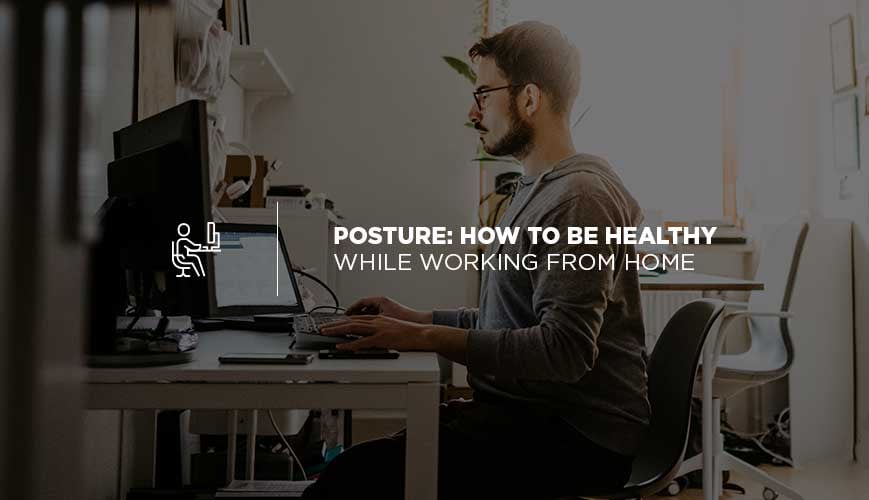
Your posture tends to follow your environment. Adjust your chair height so your feet are grounded, bring your screen closer to eye level, and keep your keyboard and mouse close enough that your shoulders can stay relaxed. A small lumbar support, even a rolled towel, may help you maintain a more neutral spine without feeling like you have to “hold” yourself up all day.

shoulder-joint-img

Take movement breaks

Even strong posture can fatigue when you stay in one position too long. Brief, regular breaks can help your joints and muscles change positions, restore circulation, and reduce the gradual forward drift that often happens during screen time. A short walk, gentle shoulder rolls, or a few standing reaches may be enough to help your body recalibrate.

Carpal-tunnel-img

Strengthen your core

Posture improves when your body has the strength and stamina to sustain it. Focus on the muscles that help stabilize your shoulder blades, support your mid-back, and keep your pelvis and trunk steady. Simple, controlled movements, like rows, wall angels, dead bugs, and glute bridges, may help you create more support without over-bracing your neck or low back.

headache-img

Restore mobility

For many people, posture issues aren’t only about weakness. They can also come from stiffness in the upper back, tightness through the chest, or shortened hip flexors from long hours of sitting. Gentle thoracic extension work, doorway chest stretches, and hip flexor stretches may help your body return to a more upright, open position with less effort.

knee-pain-img

Sleep aligned

Sleep posture matters because you spend hours there. Aim for a pillow height that keeps your neck neutral rather than tilted up or dropped down, and choose a sleep position that supports your spine. Back or side sleeping often supports more neutral alignment, and a pillow between the knees may help if you sleep on your side.

hip-misalignment-img

Support posture on the go

Posture habits follow you beyond your desk. When you drive, bring the seat closer so you are not reaching for the wheel. When you carry bags, switch sides or use a backpack to distribute load. When you use your phone, raise it closer to eye level when possible. These small choices may reduce the repeated strain that builds over the day.

NATURAL RELIEF FROM BAD POSTURE

How Can Chiropractic Care Help With Good Posture?

Good posture isn’t a rigid “perfect position.” It‘s your body’s ability to stay balanced and supported as you sit, stand, lift, reach, and move through your day. When certain spinal joints aren’t moving well, and certain muscles are carrying more than their share, your body often compensates with tension, stiffness, or fatigue. Over time, those patterns can make it harder to maintain comfortable alignment, even when you are trying.

Chiropractic care aims to improve joint motion and reduce the strain that builds from repetitive positions, screen time, driving, and physically demanding work. By addressing spinal and postural mechanics together, care may help you move with more ease and maintain more supportive alignment throughout the day.

Step 1: Identify what is driving your posture patterns

To help improve alignment and reduce tension, our chiropractors first look for what’s keeping your posture out of balance.

  • Joint restrictions in the neck, mid-back, low back, or hips that make neutral posture harder to access
  • Limited thoracic mobility that can contribute to rounded shoulders and forward head posture
  • Muscle imbalance, including tight chest muscles, overworked upper traps, or underactive mid-back and core support
  • Shoulder blade mechanics that don’t glide smoothly on the rib cage during reaching and lifting
  • Hip flexor tightness or pelvic positioning that can increase low back fatigue while sitting or standing
  • Ergonomic and movement demands, including workstation setup, driving posture, and repetitive lifting or carrying patterns
chiropractic-adjustments

Step 2: Support alignment and movement with chiropractic care

Based on what your chiropractor finds, care may include a combination of:

  • Manual adjustments aimed to help restore healthier motion through spinal joints that are not moving well
  • Mobilization and soft-tissue techniques that may help reduce muscle guarding and tension that reinforces poor posture
  • Movement guidance to support better spinal stacking, shoulder positioning, and hip support during daily activities
  • Practical ergonomic recommendations so your work and home setup support you, rather than working against you
  • At-home stretches and strengthening recommendations to build endurance in the muscles that help you stay aligned without constant effort
Soft-tissue

Step 3: Notice changes that extend beyond “standing up straight”

With consistent care and simple habit changes, you may begin to notice:

  • Less neck and shoulder tightness during long periods of sitting, driving, or screen time
  • Easier upper back mobility, including improved comfort with reaching, twisting, and overhead activity
  • Reduced low back fatigue as your core and hips share load more effectively
  • Fewer posture-related tension patterns, including headaches that build during the day for some people
  • Improved body awareness, making it easier to catch and correct posture drift before it turns into discomfort
  • More comfort and stamina during everyday routines, from work to workouts to weekend plans
mobility-img

Find A Chiropractor Near You

Walk in for quality, affordable care that fits your schedule. Enjoy hassle-free visits and same-day relief.

Find locations, hours, and walk-in availability near you.

Chiropractors Treating Posture

Frequently Asked Questions About Posture

Posture correctors may help you notice when you’re slouching, especially during screen time or long periods of sitting. Think of them as a short-term cue, not a long-term solution. If you rely on a brace to “hold you up,” the muscles that support alignment may not build the endurance you need for lasting change.

The most effective posture improvements usually come from a plan that addresses both mobility and stability: improving joint motion where you’re stiff, easing muscle tension that pulls you out of alignment, and strengthening the muscles that help you stay supported through your day. Chiropractic care can fit into that approach by helping restore healthier spinal and joint motion and reducing the tension patterns that make upright posture feel difficult. Combined with targeted exercises, stretching, and ergonomic adjustments, it may help posture changes feel more natural and sustainable.

Stand with your back against a wall. Your head, shoulder blades, and hips should all touch it. If there’s a large gap between your lower back and the wall, your spine may be curving too much. You can also ask a chiropractor to assess your posture and alignment during an exam.

Good sleep posture means your spine stays supported in a neutral, comfortable position so your muscles can truly relax while you rest. For most people, that looks like sleeping on your back or side with a pillow setup that keeps your neck and low back from twisting or collapsing.

  • Back sleeping: Use a pillow that keeps your head level, not tipped forward. Place a small pillow under your knees to support your low back’s natural curve.
  • Side sleeping: Use a pillow tall enough to fill the space between your head and mattress so your neck stays aligned. Placing a pillow between your knees can help keep your hips and low back more balanced.
  • Stomach sleeping: Try to avoid it when possible since it often forces your neck to stay turned. If you do sleep on your stomach, a very thin pillow or no pillow may reduce neck strain.
  • Watch your arm position: Avoid sleeping with your arms tucked under your head or pillow, since it can add strain through the neck and shoulders.

Keep your feet hip-width apart, shoulders relaxed, and weight evenly distributed between both legs. Gently engage your core and imagine a string lifting you from the top of your head. These small cues can help train your body to maintain better alignment.

Your posture says a lot before you even speak. Standing tall with open shoulders often conveys confidence and energy, while slouching may signal fatigue or low mood. Good posture doesn’t just improve health, it helps you feel and appear more self-assured.

You might be hunching if your shoulders round forward, your head juts out over your chest, or you feel tightness in your upper back and neck. Checking your reflection or setting reminders to “roll your shoulders back” can help you stay aware throughout the day.

Unsupportive or worn-out shoes may throw off your body’s alignment from the ground up. Proper arch support helps distribute weight evenly and keep your ankles, knees, hips, and spine aligned as you move.

Slouching usually happens when the muscles that hold you “stacked” fatigue, and other muscles start compensating. The main groups that support an upright, relaxed posture include:

  • Deep core stabilizers (deep abdominals and pelvic stabilizers) that help support your spine without over-bracing
  • Mid-back and shoulder blade stabilizers (rhomboids, mid and lower trapezius, and serratus anterior) that help keep your shoulders from drifting forward
  • Upper back and spinal support muscles that help you maintain extension through your thoracic spine during sitting and standing
  • Glutes and hip stabilizers that help keep your pelvis steady, which directly affects your low back posture
  • Deep neck flexors that help counter forward head posture and reduce the tendency to lead with your chin

Building endurance in these areas, along with improving upper back and hip mobility, can make “good posture” feel more natural and less forced.

It’s never too late to improve your posture. While habits form over time, your body can adapt at any age through consistent stretching, strengthening, and mindful movement. Regular chiropractic care may also help retrain your body for better alignment.

Related Reads About Posture

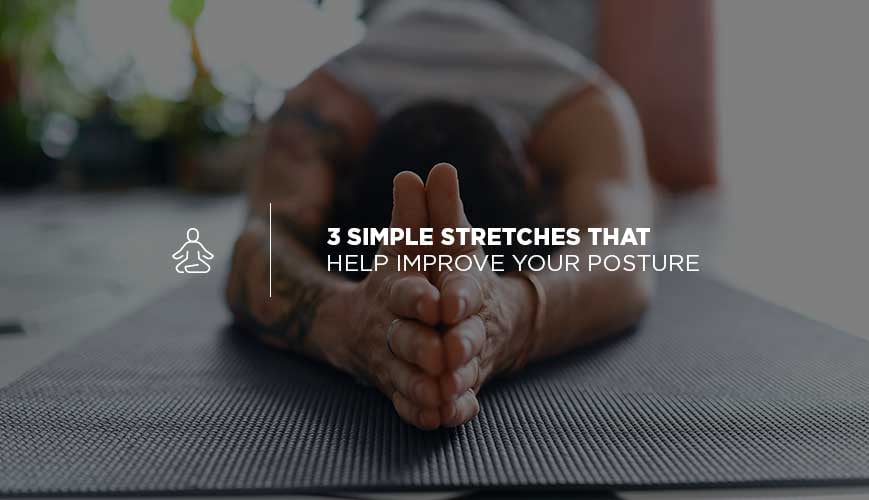
3 Simple Moves for Better Posture

Dr. Patrick Bradley from The Joint Chiropractic shares three easy exercises designed to strengthen your core and improve posture. Each move may help improve your posture, relieve stiffness, and support a healthier spine; just be sure to perform them as advised by your chiropractor.

1. Hamzelouie, R., Arazpour, M., Bahramizadeh, M., Abdollahi, I., Biglarian, A., & Shokri, Y. (2025). Effectiveness of orthotic devices in the treatment of forward head posture: A systematic review. Journal of Rehabilitation and Assistive Technologies Engineering, 12, 20556683251362878. https://doi.org/10.1177/20556683251362878

2. Lucas, J., Connor, E., & Bose, J. (2021). Back, lower limb, and upper limb pain among U.S. adults, 2019. https://doi.org/10.15620/cdc:107894

3. Susilowati, I. H., Kurniawidjaja, L. M., Nugraha, S., Nasri, S. M., Pujiriani, I., & Hasiholan, B. P. (2022). The prevalence of bad posture and musculoskeletal symptoms originating from the use of gadgets as an impact of the work from home program of the university community. Heliyon, 8(10), e11059. https://doi.org/10.1016/j.heliyon.2022.e11059

4. Hansraj, K. K. (2014). Assessment of stresses in the cervical spine caused by posture and position of the head. Surgical Technology International, 25, 277–279. PMID: 25393825

Download your offer today and save!

Offer valued at $45. Valid for new patients only. See clinic for chiropractor(s)' name and license info. Clinics managed and/or owned by franchisee or Prof. Corps. Restrictions may apply to Medicare eligible patients. Individual results may vary.