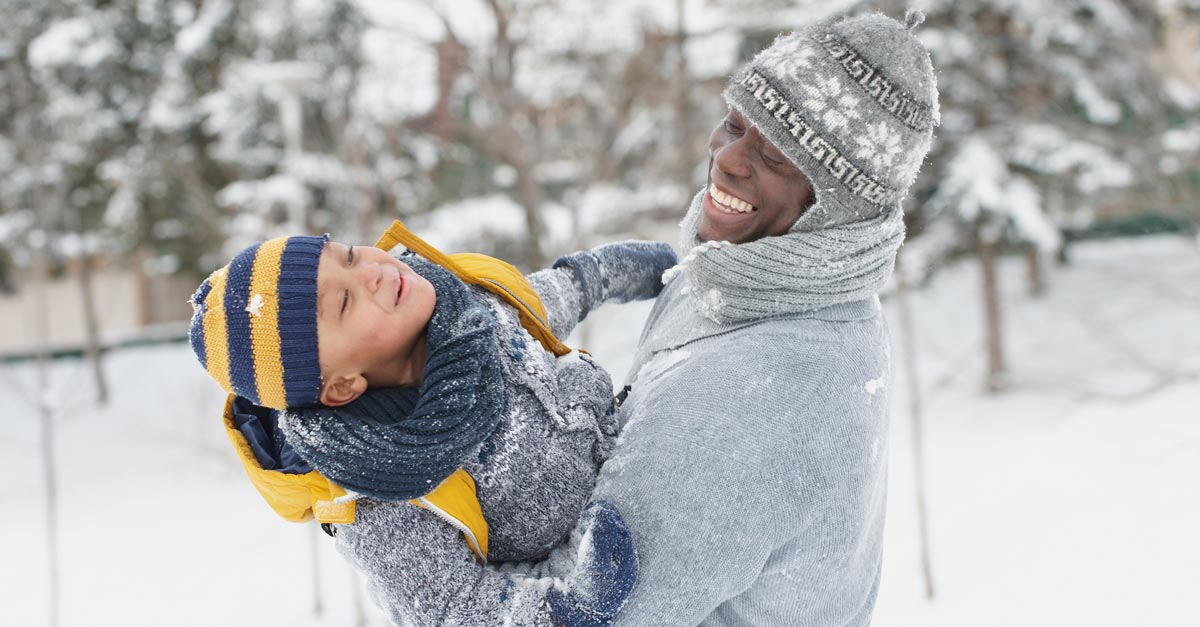
Winter brings change and beauty into our lives. It pulls us indoors, nudging us toward slower nights with family and friends. It also brings cold winds, ice, and snow. It’s magical in its own way, and many of us look forward to the shift.
Still, winter can feel like a lot. Cold temps can be bitter, sinking deep and leaving your body stiff, sore, and achy. Shorter days can also weigh on your energy and mood, especially when you’re juggling work, errands, and the usual pace of life.
Winter also creates more opportunities for illness and injury. Beyond the common cold and flu, winter often brings more slips, falls, and back and neck issues. The good news is you can take practical steps to lower your risk and support recovery through the colder months.
The Most Common Winter injuries
Most winter injuries come down to the season’s conditions. The temperature drops, which makes our muscles and bodies feel tight. There is snow and ice on the ground, but we still have to get up, go to work, exercise, and remain active. Things still need to be done, even if the weather is less than agreeable. And this opens the door for accidents and injuries.
- Slips, trips, and falls: Approximately one million Americans slip and fall every year. Icy sidewalks, wet entryways, and packed snow can turn one wrong step into a fall. These accidents often lead to bruises, sprains, and sometimes fractures, especially in wrists, ankles, or hips.
- Low back strains: Shoveling, lifting heavy bags of salt, carrying firewood, or simply moving differently to avoid slipping can strain the lower back. Cold, tight muscles can also make flare ups more likely.
- Neck and upper back pain: Winter driving stress, hunching against the cold, and sudden jolts from slips can leave the neck and upper back feeling sore and stiff. For some people, it shows up as a nagging crick. For others, it’s more intense tension or sharp discomfort.
- Shoulder and arm overuse: Repetitive shoveling and winter chores can irritate shoulders, elbows, and wrists. If you’re doing a lot of pushing, pulling, or lifting in the cold, it’s easy to overdo it without realizing.
- Knee and ankle injuries: Even without a full fall, slipping or twisting on ice can tweak the knee or roll the ankle. Uneven snow and hidden slick spots make these injuries more common than people expect.
- Cold-related stiffness and muscle spasms: Cold weather can make muscles feel tighter and less flexible, which can increase the chance of spasms or strains during normal movement.
Winter sports like skiing, snowboarding, and ice skating come with their own risks, but you don’t have to hit the slopes to get hurt. The most common winter injuries are often the everyday ones that happen on sidewalks, driveways, and front steps.
Does Cold Weather Affect People of Different Ages Differently?
Although accidents and injuries can happen to anyone, cold weather can definitely affect people differently depending on their age. Older adults are more sensitive to extreme temperatures than their younger counterparts. The older that we get, the less body heat we create naturally. It becomes more important to use blankets, coats, and heaters and such to regulate body temperature.
This lack of ability to stay warm increases the risk of both illness and injuries in cold weather. Not only are older adults more likely to slip or fall in winter, but the risk to their health is greater with these injuries as well. An aging body is less flexible and has bones that are losing strength. Although a child may fall down and hop back up without harm, an older adult may find a joint sprained, a bone broken, or a serious injury to the spinal cord.
The aging population isn’t the only group with a heightened risk through winter. Those who spend a lot of time working in the cold are also at a greater risk. Working in cold temperatures has been linked to a much higher rate of back pain, especially long-term pain and chronic low back pain. This can be for people whose job requires them to be outside, people who enjoy exercising in cold weather, and even for people who simply do the necessary winter preparations around the house. The musculoskeletal pain from cold temperatures lingers, making it a problem both during the cold and long after it has warmed up.
Tips For Avoiding Winter Weather Injuries
Most people enjoy staying indoors in cold temperatures, but that’s not always possible. We still have things to do, whether it's cold or not. Although we can’t completely avoid the cold weather, there are plenty of things we can do to protect ourselves.
- Wear the proper gear: If you’re going to be working outside, you need to wear warm clothing, gloves, a hat, and non-slip shoes. This keeps the body warm and lessens the chance of slipping.
- Slow down: You probably won’t be able to move as quickly in extreme cold as you would in normal weather. Slow down on purpose. Don’t hurry or rush, as this just increases the risk of both accident and injury.
- Maintain an exercise routine: It’s tempting to shut down all attempts at exercise through the winter, but don’t. Exercise is as important as ever through the cold months. In fact, it can help us keep our muscles loose and warm, helps ward off seasonal depression, and improves overall health. Just make sure to exercise safely, preferably inside if the option is available.
- See the chiropractor: Winter is a great time to get regular chiropractic care. Because winter injuries can be serious, chiropractic care is a logical choice. Regular care may help your body stay loose and limber. It may also help with the healing process should an accident or injury occur.
- Pay attention to your body: If you’re feeling cold, warm up. Go inside. Don’t ignore your body’s signs in an attempt to be tough. This is especially true if you’re exercising or working outside. The winter is brutal. If you don’t have the right gear, don’t do it. If you’re shivering, get warm. Protect your body by listening to it.
Chiropractic Care in Winter: Back Injuries, Prevention, and More
Winter asks more of your body. Cold weather can make muscles feel tighter, joints feel stiffer, and movement feel less natural. Add in shoveling, heavier layers, slippery sidewalks, and more time sitting indoors, and it’s no surprise winter can bring more back and neck complaints.
Chiropractic care can be a helpful part of your winter routine because it focuses on how your body moves and functions, starting with the spine and joints. When the spine is moving well and your posture and mechanics are supported, everyday winter tasks can feel more manageable.
How chiropractic care may help in winter:
- Supports mobility when you feel stiff: When cold weather leaves you feeling tight and restricted, chiropractic care may help support joint motion and overall mobility, which can make daily movement feel easier.
- Helps with tension from winter posture: Winter can change how you carry yourself. You might hunch your shoulders, brace against the cold, or spend more time sitting. Chiropractic care may help with muscle tension and postural strain that builds up from those patterns.
- Supports recovery after a slip or strain: If you’ve had a minor fall, a lifting strain, or a flare up from shoveling, chiropractic care may support the healing process by addressing joint restrictions, muscle tightness, and movement patterns that can keep irritation lingering. If your chiropractor suspects a more serious injury, they’ll refer you to the right provider for additional evaluation.
- Helps you stay consistent with movement: When your body feels better, it’s often easier to keep up with walking, stretching, and safe exercise through winter. That consistency can support both physical comfort and mood.
You don’t have to wait until something hurts to take care of your body. Winter is a great time to stay consistent with care that supports how you move and feel. Chiropractic care may help you manage winter stiffness, support recovery, and keep you doing what you love all season long.
A Smart Winter Approach To Avoiding Cold Weather Injuries
You can’t control the weather, but you can control how you prepare for it. Small habits like slowing down on ice, lifting smart, and keeping your body moving can help you get through winter with fewer setbacks.
If winter tends to leave you feeling stiff or sore, chiropractic care may help you stay more mobile and supported. When your body feels better, it’s easier to keep up with the things you love, even in the cold months.
The information, including but not limited to text, graphics, images, and other material contained on this page, is for informational purposes only. The purpose of this post is to promote broad consumer understanding and knowledge of various health topics, including but not limited to the benefits of chiropractic care, exercise, and nutrition. It is not intended to provide or be a substitute for professional medical advice, diagnosis, or treatment. Always seek the advice of your chiropractor, physician, or other qualified health care provider with any questions you may have regarding a medical condition or treatment and before undertaking a new health care regimen, and never disregard professional medical advice or delay in seeking it because of something you have read on this page.