If you spend a lot of your day at a desk, in the car, on your phone, or moving from one task to the next, you have probably felt posture fatigue build up in real time.
Your shoulders start to drift forward. Your upper back feels tired. Your neck feels tight or heavy by the end of the day. You try to sit taller, but the reset does not last long because your body needs support, not just a reminder.
That is why posture exercises work best when they do more than stretch what feels tight.
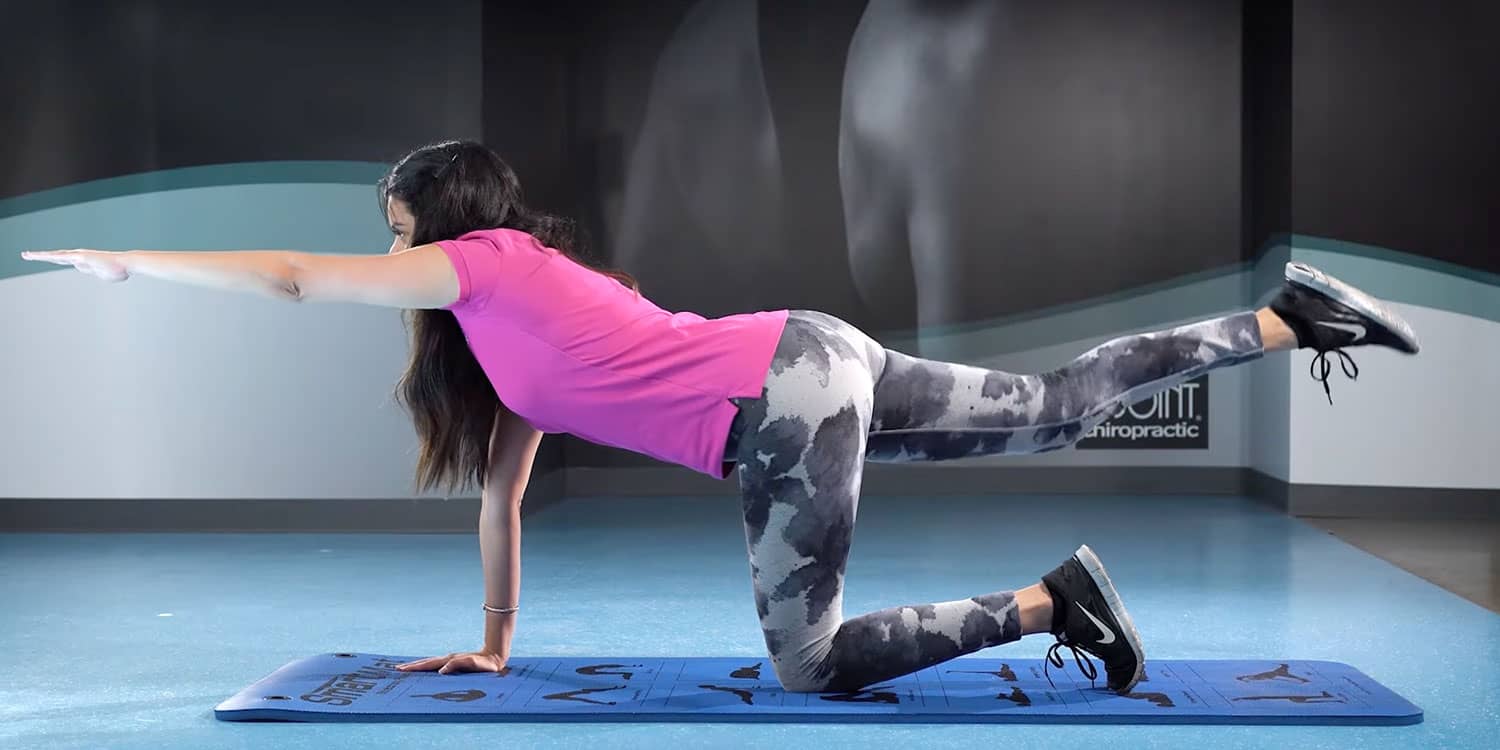
You usually need a combination of mobility, strength, and control so your body can return to better alignment and stay there with less effort. In this video, Dr. Patrick Bradley walks you through three simple posture exercises at home that support better alignment, upper back strength, and core support: Prone Cobra, Wall Angel, and Supported Neck Traction.
These are practical postural exercises you can repeat on busy days. They may help reduce posture-related neck and upper back tension, improve shoulder mechanics, and build a stronger posture support routine for daily life.
Watch the video first, then use the full breakdown below for setup, form cues, sets and reps, common mistakes, and easy modifications.
Why Posture Drift Builds During Real Life
Posture drift usually doesn’t come from one big event. It builds from repetition.
When you spend hours with your hands in front of your body, your shoulders and upper back adapt to that position. When stress stays high, your neck and shoulders can stay active longer than they need to. When your trunk gets tired, your neck often starts compensating.
You may notice:
- Tightness at the base of your skull
- A heavy feeling in your neck later in the day
- Tension across the tops of your shoulders
- Fatigue between your shoulder blades
- Rounded shoulders during screen time
- Discomfort when you try to sit taller
These patterns are common, especially if you need a posture routine for desk workers, long commutes, or screen-heavy days. They do not always mean something is wrong. Many times, they mean your body needs better movement options and stronger support.
That is where posture correction exercises may help.
Why Core Strength Matters for Posture
When you think about posture, you may think about your neck, shoulders, or upper back first. Your core still plays a major role.
Your core is not only your abs. It includes the muscles around your trunk and spine, including deep abdominal muscles, spinal stabilizers, the diaphragm, pelvic floor, and muscles along your back. This system helps you stay organized while you breathe, sit, stand, and move.
When your core support fades, your posture often starts to drift.
Your ribs may flare. Your shoulders may shrug. Your neck may brace. Your upper back may collapse. This is why core exercises for posture matter, even if your symptoms show up mostly in your neck or shoulders.
This routine supports posture and core function in a simple sequence:
- Prone Cobra strengthens the back side of your posture and supports chest-open alignment
- Wall Angel improves shoulder blade control and upper back posture mechanics
- Supported Neck Traction gives your neck a gentle reset after postural work
If you are looking for exercises to improve posture, this combination works well because it trains how your body functions during daily life, not only how it looks in one position.
Why These 3 Posture Exercises Work Well Together
These three posture exercises work well because each one prepares your body for the next step.
Prone Cobra helps you build awareness and strength through the upper back and rear shoulders. It teaches your body how to use the back side of your posture again.
Wall Angel adds movement control. It helps your shoulder blades move with your ribcage while your trunk stays stable. This matters because posture is not one rigid pose. You need control while you move.
Supported Neck Traction finishes the sequence with a gentle decompression position for your neck. After your upper back and shoulders have done some work, your neck often has an easier time relaxing.
Together, these postural exercises support:
- Upper back posture exercises for strength and endurance
- Neck posture exercises for posture-related tension patterns
- Posture exercises for rounded shoulders and forward-leaning habits
- A repeatable posture reset routine you can use at home
Prone Cobra Exercise Breakdown
What it targets
The Prone Cobra exercise targets the muscles along the back of your body, especially your upper back, rear shoulders, and shoulder blade stabilizers. It also supports gentle trunk control because you need to keep your ribs and low back organized while you lift.
This is one of the most effective upper back posture exercises for people who feel slumped or collapsed after long periods of sitting.
Best for
- Rounded shoulders
- Upper back fatigue
- Posture work after screen time
- People who feel their chest caves in by the afternoon
- Building strength as part of posture correction exercises
How it should feel
You should feel steady effort through your mid-back, rear shoulders, and the muscles between your shoulder blades. You may also feel light engagement in your glutes and trunk.
You should not feel sharp pain, neck strain, or pinching in your low back. If you do, reduce the lift or stop and get guidance.
Setup
- Lie face down on a mat or firm surface
- Extend your legs long behind you
- Rest your forehead down to start
- Place your arms by your sides with palms facing down or slightly outward
- Gently tuck your chin so your neck stays long
- Lightly brace your trunk so your low back does not arch too much
Helpful cue: Think long spine first, then lift from your upper back.
Step-by-step instructions
- Start face down in a relaxed position.
- Gently draw your shoulder blades down and back.
- Lift your chest slightly off the floor using your upper back muscles.
- Keep your chin lightly tucked so your head stays in line with your spine.
- Keep your shoulders away from your ears.
- Hold while breathing steadily.
- Lower with control and reset fully.
How long, how many, how often
- Hold: 5 to 10 seconds
- Reps: 5 to 8
- Sets: 1 to 2
- Frequency: 3 to 5 days per week
If you are new to posture exercises at home, start with shorter holds and fewer reps.
Common form fixes
-
If your neck takes over: Lower the height of the lift and rebuild your chin tuck. Focus on lifting your chest, not your head.
-
If your low back feels pinchy: Lightly squeeze your glutes and tighten your trunk. Make the lift smaller.
-
If your shoulders shrug: Reset your shoulder blades down before each rep and keep your collarbones wide.
Modifications
- Place a folded towel under your forehead for comfort
- Do a mini version with a small chest lift
- Start with 3-second holds
- Use 1 set only for your first week
Wall Angel Exercise Breakdown
What it targets
The Wall Angel exercise trains shoulder blade control, upper back mobility, and trunk positioning. It helps you move your arms overhead without letting your shoulders ride up into your neck or your low back arch.
Wall angels for posture are especially helpful if your shoulders tend to round forward during desk work, driving, or phone use.
Best for
- Rounded shoulders
- Desk posture drift
- Upper back stiffness
- People who shrug during workouts
- Improving shoulder control as part of posture exercises for rounded shoulders
How it should feel
You should feel effort through your upper back and around your shoulder blades. You may also feel a gentle stretch across your chest and the front of your shoulders.
You should not feel sharp pinching in the shoulder joint. If you do, reduce the range and move more slowly.
Setup
- Stand with your back against a wall
- Place your feet a few inches in front of the wall
- Keep your upper back and head lightly touching the wall as able
- Bring your arms into a goalpost position
- Keep your ribs stacked over your pelvis
- Relax your shoulders away from your ears
Helpful cue: Exhale gently and keep your front ribs quiet before your arms move.
Step-by-step instructions
- Stand tall against the wall and set your posture.
- Bring your arms into a goalpost shape.
- Gently draw your shoulder blades down.
- Slide your arms upward as far as you can without shrugging or arching.
- Pause at the top of your comfortable range.
- Slide your arms back down with control.
- Repeat slowly and keep breathing.
How long, how many, how often
- Reps: 8 to 10
- Sets: 1 to 3
- Tempo: Slow and controlled
- Frequency: 3 to 5 days per week, or daily as posture reset exercises
Common form fixes
-
If your low back arches: Exhale gently and bring your ribs down before each rep. Reduce your range.
-
If your shoulders shrug: Lead with a shoulder blade reset first. Think down, then up.
-
If your wrists or elbows do not touch the wall: Use the range you have. You do not need full wall contact to get value from the movement.
-
If your chin juts forward: Keep a light chin tuck and a long neck.
Modifications
- Perform the motion without the wall first
- Use a smaller range and build over time
- Try a seated version if standing feels tiring
- Do one arm at a time if control feels difficult
Supported Neck Traction Exercise Breakdown
What it targets
Supported Neck Traction is a gentle neck decompression exercise at home. It creates a supported position for the curve of your neck and may help calm posture-related tension after long periods of screen time, desk work, or driving.
This move is not a strengthening exercise. It is a recovery-style reset for your neck.
If you have heard the term neck traction with towel, this is the same general concept in a gentle, low-intensity format.
Best for
- End-of-day neck tension
- A heavy head feeling after screens
- Neck stiffness from posture fatigue
- A cool-down after upper back posture exercises
How it should feel
You may feel a mild stretch or decompression sensation in your neck. The position should feel gentle and comfortable.
You should not feel sharp pain, dizziness, nausea, tingling, numbness, visual changes, or symptoms into your arms. If any of those show up, stop and get guidance.
Setup
- Lie face up on a firm surface
- Roll a hand towel
- Place the towel under the natural curve of your neck, not under your shoulders
- Let your head rest comfortably
- Relax your jaw and shoulders
- Breathe slowly and evenly
Helpful cue: Let the towel support your neck. Do not force your head backward.
Step-by-step instructions
- Lie on your back in a comfortable position.
- Place the rolled towel under the curve of your neck.
- Adjust the towel thickness until the sensation feels gentle.
- Let your jaw, shoulders, and hands soften.
- Breathe slowly through your nose.
- Hold for a short interval.
- Remove the towel and roll to your side before sitting up.
How long, how many, how often
- Hold: 30 to 60 seconds to start
- Rounds: 2 to 3
- Frequency: 3 to 5 days per week, or after long desk sessions
Start short. Gentle and consistent usually works better than intense.
Common form fixes
-
If it feels too intense: Use a thinner towel or loosen the roll.
-
If you feel jaw tension: Keep your teeth slightly apart and relax your tongue.
-
If your shoulders tighten: Move your arms farther from your sides and slow your breathing.
-
If your low back arches: Bend your knees and place your feet on the floor.
Modifications
- Start with no towel and lie flat with knees bent
- Use a very thin hand towel first
- Skip on days when your neck feels unusually reactive
- Replace with gentle chin tucks if traction-style support does not feel good
Sets, Reps, and Schedule for Posture Exercises
A good plan is one you can repeat. Most people get more value from short, consistent posture exercises than from one long session once in a while.
Use this routine in one of two ways.
3-minute posture reset routine
Use this on workdays, after a commute, or after long screen time.
- Prone Cobra: 5 reps with 5-second holds
- Wall Angel: 1 set of 8 reps
- Supported Neck Traction: 1 to 2 rounds of 30 seconds
This is a simple posture reset routine for desk workers and anyone who feels posture drift build up during the day.
6 to 8-minute posture support session
Use this 3 to 4 days per week to build more endurance and support.
- Prone Cobra: 1 to 2 sets of 5 to 8 reps
- Wall Angel: 2 sets of 8 to 10 reps
- Supported Neck Traction: 2 to 3 rounds of 30 to 60 seconds
This version works well in the morning before screens, in the late afternoon, or after an upper body workout.
How to choose your starting level
Start lighter than you think you need.
If your neck feels reactive or your shoulders feel crowded, use the shorter routine first. If you mostly want better posture endurance and you tolerate movement well, use the full routine.
A good starting point feels like effort without strain.
How to progress safely
Build one layer at a time.
- Add consistency first: Move from two or three days per week to four.
- Add time next: Increase holds by a few seconds.
- Add reps next: Build from 5 reps to 8, or from 8 reps to 10.
- Add range last: Increase range only when your shoulders stay down and your ribs stay stacked.
If form slips, reduce the range or volume and rebuild control.
Common Mistakes During Posture Exercises
Even effective posture exercises can feel wrong when form drifts. Most problems come from a few common patterns.
Shoulders creep up toward your ears
This is one of the biggest reasons neck tension stays around during postural exercises.
When your shoulders shrug, your upper traps take over and your neck starts helping too much.
Quick fix: Reset your shoulders down before every rep. Lower the effort. Keep your jaw soft.
Ribs flare forward
Rib flare often happens when you try to sit taller or lift your arms higher. It shifts work into your low back and makes shoulder control harder.
Quick fix: Exhale gently and let your ribs soften down. Think stacked posture, not arched posture.
Your neck leads the movement
This shows up often in Prone Cobra and Wall Angel. When your neck starts the rep, your upper back misses the training.
Quick fix: Keep a light chin tuck and focus on your chest and shoulder blades doing the work.
You hold your breath
Breath-holding increases tension and makes mobility and posture work feel harder.
Quick fix: Exhale during the effort phase and breathe normally between reps.
You do too much too soon
Postural muscles fatigue faster than many people expect. Going too hard can leave you more tense.
Quick fix: Use shorter holds, fewer reps, and cleaner form. Build slowly.
When to Pause and Get Checked
These posture exercises are general support tools. They are not a replacement for a personalized exam.
Pause your routine and seek care if you notice:
- Sharp or worsening pain
- Numbness or tingling
- Symptoms traveling into an arm
- Dizziness or visual changes
- Severe headaches or unusual headache symptoms
- New weakness in the arm or hand
If you are not sure what you are feeling, a licensed doctor of chiropractic can help you figure out which movements may help, which ones need modification, and what to avoid right now.
Keeping Your Posture Routine Going
The best posture routine isn’t the hardest one. It is the one you can repeat on a normal day.
These posture exercises at home work well because they cover common gaps in posture support. Prone Cobra helps strengthen the back side of your posture. Wall Angel improves shoulder blade control and upper back movement. Supported Neck Traction gives your neck a gentle reset after long periods in forward positions.
You don’t need perfect posture all day. You need a body that can return to better alignment more easily.
Start with a few minutes. Keep your form clean. Let your upper back and core do more of the work. Over time, many people notice posture feels less forced and more natural.
If posture-related neck or upper back tension keeps showing up, a licensed doctor of chiropractic may help you identify what is driving the pattern and which posture exercises fit your body best.
Frequently Asked Questions About Posture Exercises
What are the best posture exercises to do at home?
The best posture exercises at home usually include a mix of strength, control, and mobility. A good sequence trains your upper back, shoulder blades, and trunk, then gives your neck a chance to relax.
This routine works well because it combines Prone Cobra, Wall Angel, and Supported Neck Traction. Together, they function as postural exercises for upper back strength, shoulder control, and neck posture support.
Do posture exercises really work?
Posture exercises may help when you practice them consistently and use proper form.
Most people do not need a perfect posture position. They need better endurance and movement control so they can return to better alignment during the day. Posture correction exercises can support this by strengthening postural muscles and improving how your shoulders and upper back move.
Can posture exercises help rounded shoulders?
Posture exercises for rounded shoulders may help, especially when rounded shoulders come from long periods of sitting, driving, or screen time.
Prone Cobra and Wall Angel are especially useful because they strengthen the upper back and train shoulder blades to move with more control. The key is consistency and form, not forcing a rigid position.
How often should I do posture exercises?
Most people respond well to consistency over intensity.
A short routine three to five days per week is a strong starting point. You can also use a quick posture reset routine on busy workdays when neck and shoulder tension starts building.
Are wall angels good for posture?
Yes, wall angels for posture can be a helpful part of a routine because they train shoulder blade control, upper back movement, and trunk positioning at the same time.
They may be especially useful if you tend to shrug your shoulders, arch your low back, or feel stiff through your upper back.
What is the prone cobra exercise good for?
The prone cobra exercise is good for strengthening the back side of your posture, especially your upper back, rear shoulders, and shoulder blade stabilizers.
It can be a strong addition to upper back posture exercises because it helps counterbalance slumped, forward-leaning positions from daily life.
Can neck traction help posture-related neck tension?
Supported neck traction may help some people with posture-related neck tension because it gives the neck a gentle decompression and recovery position after long periods in forward posture.
This neck traction with towel setup should feel gentle. If it increases symptoms, stop and get guidance before trying again.
Which exercises help forward head posture?
Exercises for forward head posture usually work best when they address more than your neck.
Many people benefit from a combination of neck posture exercises, upper back posture exercises, and shoulder blade control work. Prone Cobra and Wall Angel support the upper back and shoulders, and Supported Neck Traction can provide a gentle reset for the neck after the strengthening work.
Do posture exercises help neck and upper back tension?
They may help, especially when your tension is linked to posture fatigue, screen time, or shoulder and upper back mechanics.
The goal is not only to stretch what feels tight. The goal is to improve support so your neck, shoulders, and upper back share the workload better.
Can I do posture exercises every day?
You can often do light posture exercises every day if the intensity stays low and your body tolerates them well.
Many people use a short daily posture reset, then do a longer strength-focused session a few times per week. If symptoms increase, reduce the volume or frequency and check in with a healthcare professional.
The information, including but not limited to text, graphics, images, and other material contained on this page, is for informational purposes only. The purpose of this post is to promote broad consumer understanding and knowledge of various health topics, including but not limited to the benefits of chiropractic care, exercise, and nutrition. It is not intended to provide or be a substitute for professional medical advice, diagnosis, or treatment. Always seek the advice of your chiropractor, physician, or other qualified health care provider with any questions you may have regarding a medical condition or treatment and before undertaking a new health care regimen, and never disregard professional medical advice or delay in seeking it because of something you have read on this page.